
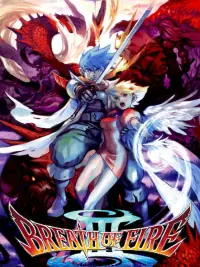
Breath of Fire
Breath of Fire: Over 20 years of draconic JRPG adventure, where Ryu's dragon transformations blaze through mythic realms in turn-based quests from SNES origins to PS2 reinventions, igniting fantasy, rebellion, and classic role-playing spirit.

7 Games in Breath of Fire
Breath of Fire 3
200521 years ago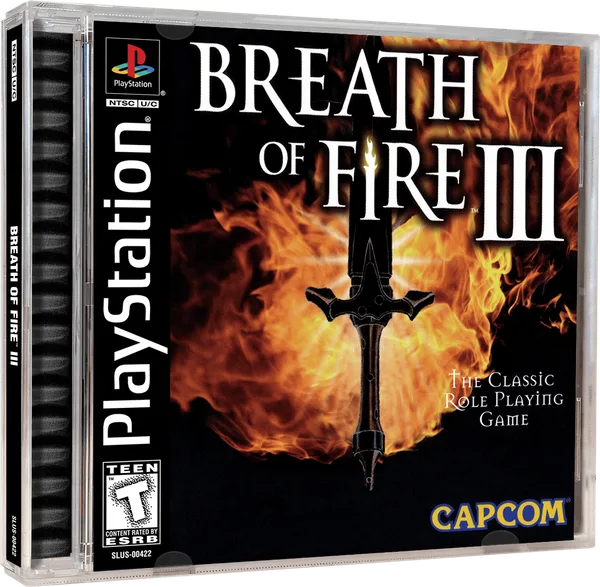
Breath of Fire 3
Capcom's third installment of its epic RPG. Breath of Fire III is the first installment of the Breath of Fire Series to appear on the PlayStation (And later ported to the PSP). Set free by the the workers of Dauna Mine, Ryu of the Brood learns to both understand his power, and to understand the history of his extinct kind. By both utilizing Ryu's unique power and the abilities of those whom assist him, players will uncover the history of the Brood, learn more about the characters, and the very reason why the Brood were wiped out. Players control Ryu and his allies on their journey, each of Ryu's friends have abilities only they can use, and they will have to work together to make their way through the obstacles and enemies that they encounter; creativity is key to your success in this game!
Breath of Fire Dragon Quarter
200223 years ago

Breath of Fire Dragon Quarter
Breath of Fire: Dragon Quarter is a radical departure from the previous titles of the Breath of Fire series, and in some ways from standard Japanese-style role-playing games in general. The game is built like a huge dungeon crawler, with no overworld map. The combat is tactical: each character has action points (AP), which can be used to move around the screen during an enemy encounter, and perform a variety of combo attacks. There is no magic in the game, and many of the items found in dungeons are random. All the enemies are visible on screen. Depending on who first initiated a physical contact, the party or the enemies get an extra turn in battles. The game allows (and even encourages) the player to restart it from the beginning, keeping the items and the party experience. The game also features a special counter - Ryu can use his traditional dragon transformation abilities, but the counter raises with each such transformation, and when the counter reaches 100, the game is over. Raising the D-ratio allows characters to access new areas every time the game is replayed.
Breath of Fire
200125 years ago

Breath of Fire IV (2000)
200026 years ago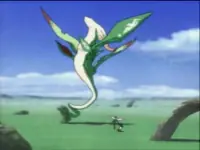
Breath of Fire IV (2000)
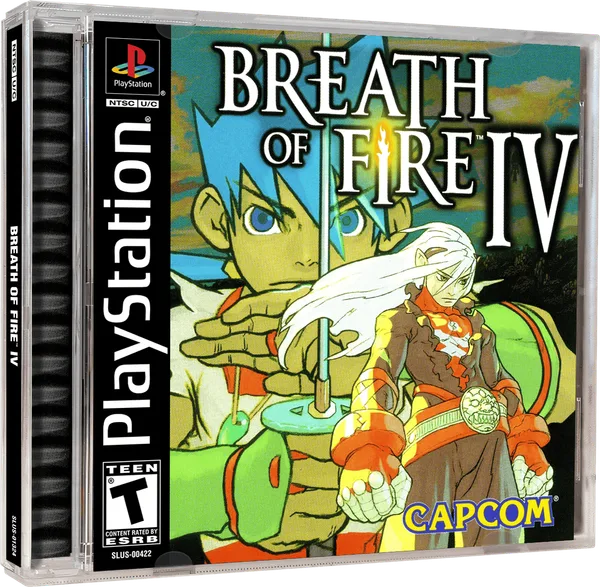
Breath of Fire IV, released in Japan as Breath of Fire IV: The Unfading Ones (ブレス オブ ファイアIV うつろわざるもの, Buresu Obu Faia IV Utsurowazaru Mono) is a role-playing video game developed by Capcom, and is the fourth game in the Breath of Fire series. It was originally released for the PlayStation home console in Japan and North America in 2000, and Europe in 2001. The game was later ported to Windows-based PCs in Europe and Japan in 2003. Just as in previous games of the series, Breath of Fire IV follows the adventures of a young man named Ryu, who has the power to transform into powerful dragons. The Ryu in this game must team up with several other skilled warriors to combat an awakened immortal emperor from ascending to godhood and destroying the world of man. Like Breath of Fire III, the game utilizes a mix of two and three-dimensional computer graphics and turn-based battle sequences.
Best Deal
GOG
View deals →Breath of Fire IV
200026 years ago

Breath of Fire IV
Breath of Fire IV is a single-player game that continues the story with these "dragon people," who gave their lives to eradicate the evil goddess and restore peace in their world. This time around, battle has broken out between two powerful continents, and the fair Princess Elena has disappeared during a tour of the war-torn region. The princess's sister, Nina, who reigns o'er the Windia Kingdom, vows to retrieve her missing sibling. She meets Ryu along the way, who joins the epic quest
Breath Of Fire II - Retranslated
199431 years ago

Breath Of Fire II - Retranslated
Breath of Fire II (Japanese: ブレス オブ ファイアII 使命の子, Hepburn: Buresu obu Faia Tsū: Shimei no Ko, Breath of Fire II: The Destined Child) is a role-playing video game developed and published by Capcom. First released in 1994, the game was licensed to Laguna for European release in 1996. It is the second entry in the Breath of Fire series. It was later ported to Game Boy Advance and re-released worldwide. The game was released on Wii's Virtual Console in North America on August 27, 2007. Nintendo of Europe's website mistakenly announced it for release on July 27, 2007, but it was in fact released two weeks later, on August 10, 2007. Unlike later installments in the series, Breath of Fire II is a direct sequel to Breath of Fire. Set 500 years after the original game, the story centers on an orphan named Ryu Bateson, whose family vanished mysteriously long ago. After his friend is falsely accused of a crime, Ryu embarks on a journey to clear his name.
Breath of Fire II
199431 years ago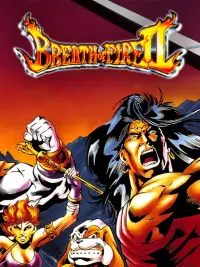
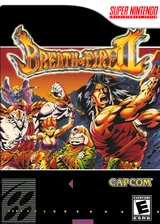

Breath of Fire II
The incredible sequel to the best-selling RPG hit Breath of Fire is here! You are the last member of the Dragon clan, fighting to rid the world of a growing evil. A cast of unusual and exciting companions joins you in your adventures across a wondrous land full of magic and mystery. You'll find strange mystic items, memorable monsters and exotic locations in your quest to conquer evil. There's strategy and spellcasting galore in the hours of compelling action and adventure that awaits you. Breath of Fire II is the ultimate in RPG excitement!
